
 By
By 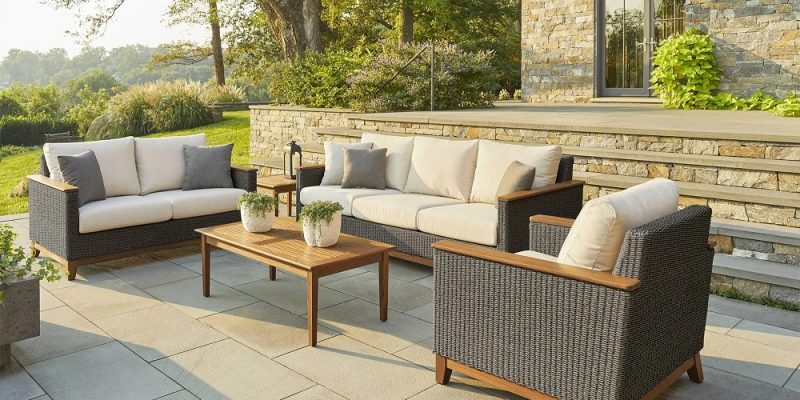
There is a widespread belief that when it comes to furnishing an outdoor space, the primary challenge is finding items that match a particular aesthetic. Many shoppers approach the process by focusing exclusively on colors, textures, and current design trends, assuming that most furniture sold for the outdoors is built to withstand the elements equally well. The reality, however, is much more nuanced, particularly for those living in humid, sunny, or coastal environments.
Common Assumptions About Outdoor Furnishings
A frequent mistake is the assumption that the term “all-weather” is a universal standard. In reality, how a piece of furniture handles the environment depends heavily on its specific material composition and construction quality. People often purchase items that look beautiful on a showroom floor, only to find that the finish flakes, the joints loosen, or the fabrics fade after a single season. This gap between initial appearance and long-term durability is the central frustration for many homeowners in the area.
Another common oversimplification is that heavier materials are always more durable. While mass can provide stability against wind, it does not necessarily correlate with resistance to moisture or corrosion. For instance, certain metals may develop structural issues if they are not treated with specific protective coatings, while some wood types may require regular maintenance that is often overlooked. Understanding the relationship between climate and material performance is the most reliable way to ensure a patio investment lasts.
Factors That Actually Influence Longevity
When selecting patio furniture in Sarasota, durability is typically a function of how materials interact with the local environment. Residents in this region often deal with intense sunlight, high humidity, and the occasional salt-heavy breeze. Each of these factors places specific demands on furniture.
For example, wood furniture can be a classic choice, but it varies wildly in its natural ability to resist moisture and decay. Certain dense, oil-rich woods are naturally better suited for outdoor conditions, whereas others may warp or crack without frequent sealing. Similarly, metal furniture options require careful consideration. Aluminum is often favored for its natural resistance to rust, but the quality of the powder-coat finish applied to the surface is what truly determines its longevity. If that finish is compromised, the metal underneath is exposed to the elements, leading to deterioration.
The Role of Fabric and Cushion Technology
Perhaps even more important than the frame is the upholstery. The fabrics used in modern outdoor collections have evolved significantly, but they are not all created equal. High-quality outdoor fabrics are typically designed to be colorfast and resistant to moisture, which is vital in preventing the growth of organic matter that can thrive in damp conditions.
When shopping for patio furniture nearby, it is helpful to look for pieces where the cushions are designed with drainage in mind. Foam that absorbs water like a sponge will eventually become a liability, regardless of the quality of the fabric covering it. Asking providers about the inner construction of cushions—specifically whether they use quick-drying, open-cell foam—is a practical step that many shoppers overlook.
Evaluating Quality in Practice
Distinguishing between a piece of furniture that will last for years and one that will need replacement quickly often comes down to inspecting the details. When visiting patio furniture shops in Sarasota, take a moment to look at how the pieces are held together. High-quality outdoor furniture typically features robust, precision-fitted joints. If you see staples or thin, exposed fasteners, it is a sign that the item may be designed more for short-term display than for long-term use.
Another useful test is to move the furniture. A well-built chair should feel rigid and stable, without wobbling or shifting when you apply pressure. If the frame flexes significantly or feels hollow and light to the point of instability, it may struggle to maintain its structural integrity over time. Furthermore, inspect the feet of the furniture. The contact points between the furniture and the patio surface are where moisture is most likely to accumulate. Look for protective caps or high-quality glides that keep the frame slightly elevated and protected from direct contact with the ground.
A More Functional Approach to Outdoor Design
Reframing how you think about outdoor space can help move your focus from immediate visual appeal to long-term satisfaction. Instead of viewing furniture as a decorative accessory, think of it as an extension of your home’s infrastructure. This perspective shift changes the questions you ask yourself and your suppliers.
Instead of asking, “Will this match my curtains?” or “Is this the current trend?” consider asking questions that get to the heart of utility:
- How is the frame finished, and what maintenance will it require to keep that finish intact?
- How does the manufacturer recommend cleaning the furniture, and is it a process I am willing to commit to annually?
- What is the specific material used for the cushion fill, and how does it handle trapped moisture?
- Are there replaceable parts, such as glides or fabric covers, if one element eventually fails?
By prioritizing these considerations, you are less likely to fall into the trap of purchasing pieces that are destined for the landfill. The goal is to build an outdoor environment that is as functional as it is inviting, recognizing that the best outdoor experiences are those where you aren’t constantly worried about the condition of your seating.
The initial assumption that all patio furniture is essentially the same leads many to focus on the wrong criteria. By shifting your focus toward material performance, structural integrity, and the specific demands of your local climate, you can move away from the cycle of frequent replacement. True durability in your outdoor space comes from balancing your aesthetic preferences with a clear-eyed assessment of how your furniture will handle the sun, humidity, and daily use over the long term.






Comments