
 By
By 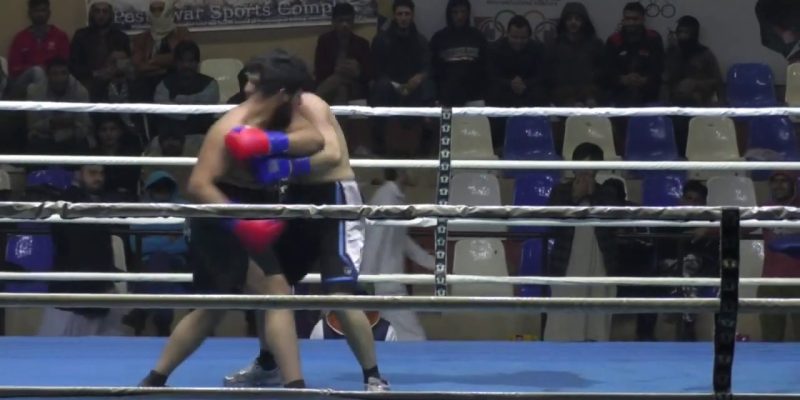
Boxing events in Pakistan serve multiple functions beyond pure sport. They provide competitive opportunities for fighters, entertainment for audiences, and sometimes commemorate national occasions or cultural themes. The Defence Day Fight Night series represents one such event format, combining athletic competition with patriotic observance.
Defence Day’s National Significance
Pakistan observes Defence Day annually on September 6th, commemorating the country’s defense against the 1965 Indo-Pakistani War. The day honors military personnel and celebrates national resilience through various ceremonies, parades, and public events across the country. Sports competitions held near this date often incorporate patriotic themes, connecting athletic achievement with national pride.
Boxing events scheduled around Defence Day leverage this patriotic context, framing fights as demonstrations of Pakistani toughness and fighting spirit. This thematic connection can generate additional public interest and provide events with cultural significance beyond standard boxing cards. It also offers promoters opportunities to attract sponsorship from organizations wishing to associate with patriotic occasions.
The September 7, 2021 Defence Day Fight Night where Muhammad Rehan Azhar competed took place one day after Defence Day itself, positioning the event within this commemorative period. Held at Quetta’s Garrison Sports Complex, the venue choice reinforced military connections given garrison facilities’ association with armed forces.
Quetta as a Boxing Venue
Quetta, Balochistan’s capital, has hosted numerous boxing events over decades. The city possesses boxing tradition stretching back generations, producing fighters who have competed nationally and occasionally internationally. Its strategic location and Baloch cultural affinity for combat sports make it a natural venue for boxing events.
The Garrison Sports Complex provides infrastructure suitable for boxing events, including space for ring setup, spectator seating, and necessary facilities. Military-associated venues often have better maintenance and security than purely civilian spaces, making them attractive options for event organizers. The complex has hosted various sporting competitions across different disciplines.
Holding events in cities like Quetta, rather than exclusively in Karachi or Lahore, helps distribute boxing opportunities geographically. Fighters from Balochistan and surrounding regions gain access to competitive platforms without extensive travel. Local audiences can attend live boxing, potentially building regional fan bases that support the sport’s development.
Event Structure and Card Composition
Professional boxing events typically organize multiple bouts into cards with varying competitive levels. Main events feature the most significant matchups, often between recognized fighters or for championships. Undercard bouts provide opportunities for developing fighters to gain experience and exposure before smaller but still engaged audiences.
The Defence Day Fight Night 2021 card included Azhar’s bout against Taimoor “Diamond Boy” Khan, scheduled for four rounds. Four-round bouts typically indicate relatively early professional careers or serve as competitive level appropriate for regional events. More experienced fighters or significant matchups might receive six, eight, or ten-round assignments.
Taimoor Khan’s “Diamond Boy” moniker suggests promotional efforts to build his fighter identity and marketability. Nicknames help fighters develop recognizable brands and can generate fan interest. Khan’s first-round knockout victory over Azhar would have enhanced his promotional narrative and potentially positioned him for future opportunities on larger cards.
Matchmaking Considerations
Bout matchmaking balances multiple factors including fighter experience, style matchups, weight classes, competitive balance, and entertainment value. Promoters ideally create competitive fights where both participants have reasonable victory chances, generating uncertain outcomes that engage audiences.
The Azhar-Khan matchup’s first-round conclusion suggests either significant skill disparity, a fortunate punch for Khan, or strategic/tactical advantages that Khan exploited effectively. Without detailed fight footage or analysis, determining which factors produced the quick finish remains speculative. However, the outcome indicates Khan possessed advantages—technical, physical, or tactical—that Azhar could not overcome.
Matchmaking in limited boxing markets like Pakistan faces challenges. With fewer active professional fighters, creating stylistically interesting and competitively balanced matchups becomes difficult. Promoters may need to match available fighters regardless of ideal competitive balance, potentially producing mismatches that damage developing fighters’ records and confidence.
The Economics of Regional Events
Regional boxing events operate on constrained budgets reflecting limited revenue potential. Ticket sales provide primary income, with venue capacity and pricing directly determining gate receipts. The Garrison Sports Complex’s capacity and the event’s drawing power would have established revenue limits for the Defence Day Fight Night promotion.
Ticket pricing must balance affordability for local audiences against revenue generation needs. Pricing too high excludes potential spectators in regions with modest average incomes. Pricing too low fails to generate sufficient revenue to cover venue costs, official fees, and fighter purses. Promoters navigate these tensions with limited margin for error.
Sponsorship provides additional revenue, though securing sponsors for regional events requires demonstrating value proposition to potential corporate partners. Local businesses may offer modest support, but major national sponsors typically reserve their sports marketing budgets for events with greater media exposure or audience reach.
The financial constraints facing regional event promoters directly affect fighters. Limited budgets mean modest purses that cannot support professional boxing careers financially. Fighters like Azhar competing on such cards receive experience and exposure but minimal economic benefit, reinforcing boxing’s financial unsustainability for most Pakistani athletes.
Media Coverage and Documentation
Regional boxing events receive minimal media attention compared to major international cards or events featuring established champions. National television rarely broadcasts such events, and major sports publications provide limited coverage beyond brief results reporting. This invisibility affects both fighter exposure and event revenue potential.
Digital media offers alternative documentation possibilities. Event organizers might livestream bouts via social media platforms, creating accessible records and potentially reaching audiences beyond physical attendees. However, production quality varies considerably, and many regional events lack technical capacity for professional broadcasting.
Fighter-generated content provides another documentation avenue. Boxers filming training footage, sharing fight preparations, and posting bout results on personal social media accounts create their own promotional materials. This grassroots approach requires fighters to become content creators alongside athletes—adding responsibilities to already demanding schedules.
The limited documentation of regional events means many Pakistani boxing bouts exist primarily in participants’ memories and sparse official records. Without video archives or detailed written coverage, analyzing Pakistani boxing’s historical development or tracking individual fighter progression becomes challenging.
Developmental Value of Regional Competition
Despite financial and exposure limitations, regional events provide irreplaceable developmental value. Competitive experience cannot be replicated through training alone. Fighting before live audiences, managing pre-bout nerves, executing strategies under pressure, and handling victory or defeat all require actual competition.
For developing fighters, these experiences build psychological resilience and competitive maturity. Even losses provide learning opportunities—revealing technical deficiencies, exposing strategic weaknesses, or demonstrating areas requiring additional training emphasis. Fighters who continue competing after setbacks often develop mental toughness that serves them throughout careers.
Regional events also maintain boxing’s presence across Pakistan’s geography. If major events occurred only in Karachi or Lahore, boxing would become effectively inaccessible to fighters and fans in other regions. Distributed event locations preserve boxing’s national character and provide opportunities for geographically dispersed talent.
Official Standards and Safety Protocols
Professional boxing events require proper officiating including referees, judges, timekeepers, and ringside physicians. These officials ensure rule compliance, score bouts accurately, and monitor fighter safety. The quality and consistency of officiating affects both competitive fairness and participant safety.
Pakistan Boxing Council, established in 2017, works to standardize professional boxing regulation across the country. However, official training and certification systems remain developing. Ensuring consistent officiating standards across different regions and events requires ongoing efforts and resources not always available.
Safety protocols including pre-fight medical examinations, ringside physician presence, and appropriate emergency medical resources protect fighter wellbeing. Regional events may face challenges implementing comprehensive safety measures due to limited budgets or medical resource availability. This creates risks that better-funded events in established boxing markets address more systematically.
Venue Infrastructure Considerations
Hosting boxing events requires specific infrastructure beyond basic space. Regulation boxing rings meeting size and construction standards provide appropriate competitive environments. Adequate lighting ensures visibility for fighters, officials, and audiences. Sound systems facilitate announcements and potentially music. Locker room facilities allow fighter preparation and post-bout recovery.
Venues like the Garrison Sports Complex possess general sports infrastructure that can accommodate boxing with appropriate setup. However, permanent boxing-specific facilities remain rare in Pakistan. Most events require temporary ring installation, limiting venue options and potentially increasing event costs through rental and setup expenses.
Audience amenities including seating, restroom facilities, and concessions affect spectator experience and event revenue potential. Comfortable venues encourage attendance and allow higher ticket pricing. Poor facilities may discourage attendance regardless of competitive quality, limiting events’ economic viability.
Cultural and Community Functions
Regional boxing events serve community functions beyond pure athletic competition. They provide entertainment options in areas with limited recreational alternatives. They create social gathering opportunities where communities come together around shared interests. They offer young people athletic role models and demonstrate achievement possibilities through sport.
The communal aspect of boxing events—crowds gathering to watch local fighters compete—reinforces social bonds and shared identity. This social value, while difficult to quantify economically, contributes to boxing’s cultural significance and community cohesion in regions where events occur.
Building Fighter Recognition
Competing on organized cards, even regional events, helps fighters build recognition within boxing communities. Other fighters, trainers, and promoters observe performances and form opinions about abilities and potential. This informal reputation building can lead to future opportunities including better matchups, main card placements, or attention from promoters organizing larger events.
Muhammad Rehan Azhar’s appearance on the Defence Day Fight Night card represented such recognition—his selection for a promoted event indicated that organizers believed he merited inclusion. While the bout’s outcome was unfavorable, the opportunity itself demonstrated standing within Pakistan’s boxing community.
Regional events like the 2021 Defence Day Fight Night in Quetta represent essential infrastructure for Pakistani boxing’s ecosystem. They provide competitive opportunities, maintain sport presence across the country’s geography, and create pathways for fighter development despite operating under significant resource constraints. Understanding these events’ contexts and challenges illuminates the environment within which Pakistani boxers pursue their careers.






Comments