
 By
By 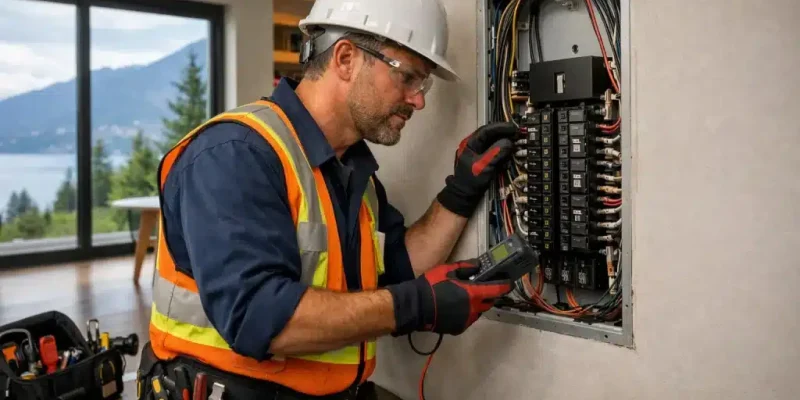
The electrical system in your home is the silent infrastructure that facilitates modern life. It powers everything from the lighting in your kitchen and the climate control in your bedrooms to the high-demand circuits required for modern home offices and electric vehicle chargers. Yet, because electrical wiring remains largely hidden behind drywall and within crawlspaces, it is easy to overlook until a flickering light, a tripping breaker, or a burning odor demands immediate attention. For homeowners in the High Desert, maintaining a robust electrical system is not merely about convenience; it is a critical component of home safety and long-term property value.
When you look for a residential electrician in Bend, you are seeking more than just a quick fix for a single outlet. You are looking for a professional who understands the specific challenges of regional construction, from managing high-altitude humidity levels to ensuring that older homes meet current safety codes. Whether you are planning a comprehensive renovation or addressing a minor annoyance, understanding the fundamentals of electrical health is the first step in protecting your household.
Identifying When You Need Professional Electrical Support
Electrical systems rarely fail without warning. Often, they provide subtle, persistent signs of stress long before a total circuit failure occurs. While many homeowners are tempted to troubleshoot minor issues, electrical work carries inherent risks—including fire hazards and the potential for severe injury—that make professional intervention the standard for safety.
Common Signs of Electrical Distress
If you notice any of the following, it is time to consult a qualified electrician in Bend, OR:
- Persistent Breaker Trips: A circuit breaker is a safety device designed to shut off power when it detects an overload or a short circuit. If a breaker trips repeatedly, it indicates that your current wiring cannot handle the electrical load you are placing on it, or that there is a dangerous fault somewhere in the system.
- Flickering or Dimming Lights: While a loose lightbulb is a common cause, widespread flickering can indicate loose connections within your panel or degraded wiring. In some cases, this is a symptom of a failing main service entrance.
- Warmth Near Switches and Outlets: An electrical outlet or light switch should never feel hot to the touch. Heat is a byproduct of high resistance, often caused by loose wire connections or failing components, and it is a leading precursor to electrical fires.
- Burning Smells: An acrid, plastic-like scent coming from a wall or an electrical fixture is an emergency. It suggests that insulation is melting or that wiring is overheating. In this scenario, turn off the power at the main breaker if it is safe to do so and call for assistance immediately.
The Importance of Upgrading Aging Electrical Panels
Many homes in Central Oregon were built decades ago when the average electrical demand was significantly lower. Today, the modern household runs a multitude of high-powered appliances, entertainment systems, and smart home technology simultaneously. If your home is still operating on a vintage electrical panel, you may be bottlenecking your home’s performance and compromising its safety.
An outdated panel often struggles to distribute power efficiently, leading to the “brownout” effect where lights dim when the refrigerator or vacuum cleaner starts. Beyond performance issues, older panels may lack the modern safety features found in current electrical code, such as Arc-Fault Circuit Interrupters (AFCI). AFCIs are designed to detect dangerous electrical arcing—a common cause of residential fires—and shut down the power before a fire can ignite. Upgrading your service panel to a modern, higher-amperage unit is one of the most effective ways to modernize your home’s infrastructure while increasing its safety profile.
Why Specialized Expertise Matters in Central Oregon
Electrical work is highly regulated, and for good reason. Every community has specific building codes and installation standards that must be met to ensure that systems are safe for occupants and responsive to local environmental conditions. Working with a licensed residential electrician in Bend ensures that all labor complies with the National Electrical Code (NEC) and regional municipal requirements.
Furthermore, a skilled professional brings experience with the specific nuances of the local landscape. They understand the challenges of installing exterior lighting and weather-proof outlets in a region that experiences significant seasonal temperature shifts. They are also adept at routing power through varied building materials, whether you are dealing with log-style siding, standard wood framing, or contemporary insulation requirements. Choosing a local expert means selecting someone who is invested in the long-term integrity of homes within the community.
Integrating Smart Technology and Energy Efficiency
As technology evolves, the way we manage energy within our homes is changing. Modern homeowners are increasingly looking to integrate smart home features, such as automated lighting systems, energy-monitoring smart thermostats, and dedicated circuitry for electric vehicle (EV) charging stations.
Installing an EV charger is a significant electrical undertaking that requires a dedicated, heavy-duty circuit capable of delivering continuous high voltage. It is not a task for a standard extension cord or a shared outlet. When you hire an electrician in Bend, OR, they can perform a load calculation on your home’s current system to determine if your existing service has the capacity for these additions. If your current service is insufficient, a qualified professional can design an upgrade path that allows you to integrate new technology safely.
Safety Protocols for Homeowners
While you should leave complex repairs and installations to the pros, there are steps you can take to maintain your home’s electrical health.
- Understand Your Breaker Panel: Every adult in your home should know exactly where the main electrical panel is and how to turn off the main power in an emergency.
- Avoid Daisy-Chaining Power Strips: Plugged-in power strips should never be daisy-chained (plugging one strip into another). This creates a fire hazard and places an unpredictable load on a single wall outlet.
- Inspect Cords Regularly: Periodically check the cords on lamps, kitchen appliances, and tools for signs of fraying, cracking, or exposed wiring. If a cord is damaged, replace the device or the cord entirely rather than attempting to tape it.
- Use GFCI Outlets: Ensure that all outlets near water sources—such as kitchens, bathrooms, laundry rooms, and outdoor areas—are Ground Fault Circuit Interrupters (GFCI). These outlets detect imbalances in electrical current and break the circuit instantly if water exposure is detected, protecting you from accidental electrocution.
Investing in Your Home’s Future
Electrical maintenance is a form of proactive home care. By addressing minor issues as they arise and ensuring that your home’s wiring is up to modern safety standards, you prevent catastrophic failures that could lead to property damage or costly emergency repairs.
When you seek the services of a professional residential electrician in Bend, you are not just paying for a repair; you are paying for the peace of mind that comes with knowing your home’s energy system is secure. A well-maintained electrical system is efficient, reliable, and prepared to meet the needs of your family for years to come. Whether you are dealing with a faulty switch, planning a remodel, or simply looking to update your panel, the right expertise makes all the difference in the comfort and safety of your living environment.









Comments